Backyard Breeders – The Bane of Every Animal Welfare Advocate

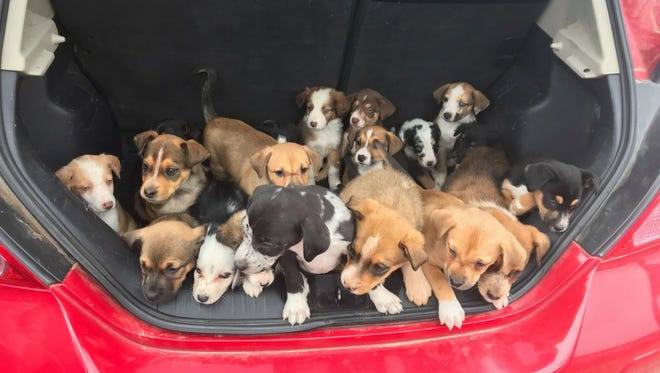
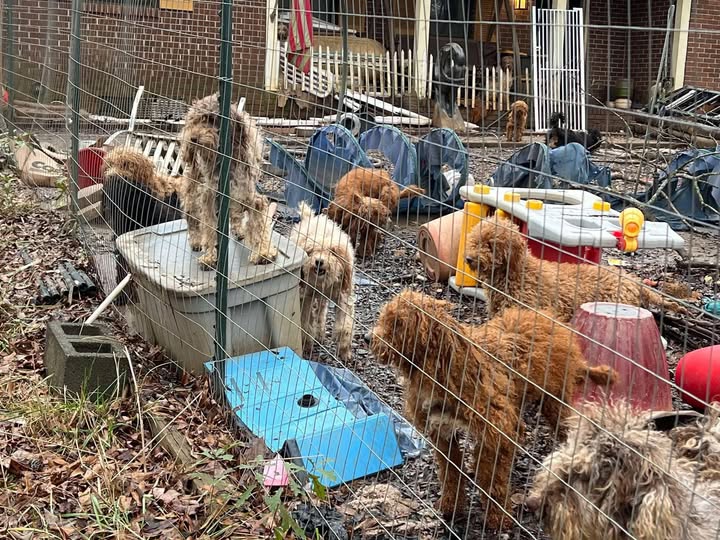
Backyard Breeders – The Bane of Every Animal Welfare Advocate In Colorado, most breeders of pet animals - including dogs, cats, and birds - must be licensed under the Pet Animal Care and Facilities Act (PACFA) if they exceed certain thresholds: 🐶 Dog & Cat Breeders: More than 2 litters or 24 animals transferred in a 12-month period 🐦 Bird Breeders: More than 30 birds transferred in a 12-month period Those who breed below these thresholds are typically called “backyard breeders.” And while legal, that doesn’t mean they’re harmless. Unlicensed breeders are those that breed above the PACFA thresholds but...Read More
De-Sexing Isn’t Sexy – But it is Necessary

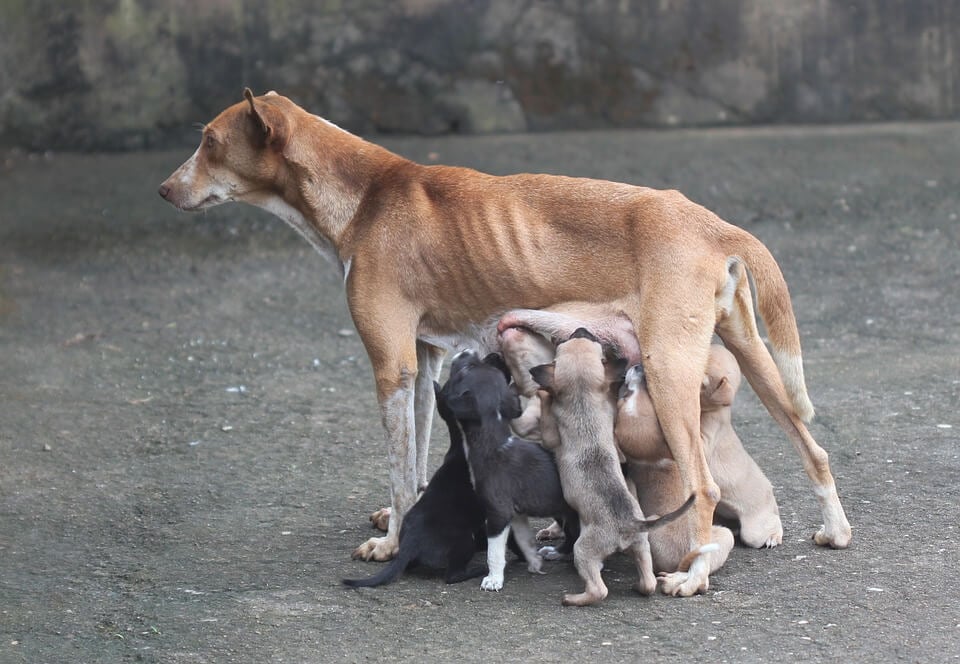
De-Sexing Isn’t Sexy – But It Is Necessary In its “Altered Status Data Report – 2019–2023 Trends in Animal Sterilization at Intake”, Shelter Animals Count reveals an alarming shift in the altered status of dogs entering U.S. animal shelters. Fewer dogs are arriving spayed or neutered — a change that directly impacts shelter overpopulation, animal outcomes, and community animal control costs. 📉 Declining Spay/Neuter Rates in Shelter Dogs Between 2019 and 2023: Percentage of dogs altered before shelter intake fell from 33.2% to 22.3%. Owner surrenders: altered status dropped 10.7%. Strays: altered status dropped 8.7%. In 2023, just 28.9% of...Read More

Record Number of Owner-Surrendered Dogs in Denver Animal Shelter

Denver Dog Owners Are Sending Their Pets to the Pound in Record Numbers In just the first 138 days of this year, 634 dogs were taken to Denver Animal Shelter by the very people they trusted most - their owners - and left behind. That’s a 237% increase compared to the same period in 2019 (pre-COVID). That’s nearly 5 dogs a day. The reasons are complex- ranging from housing instability and financial hardship to lifestyle changes and behavior issues in dogs that weren’t properly socialized during the pandemic. But the outcome is the same: dogs losing their homes. Dogs don’t...Read More

More Colorado Renters Will be Allowed to Keep Their Pets with Them

Great news for Colorado renters and pet lovers! House Bill 25-1207 was signed into law this week - and it's a game-changer for pet-inclusive housing and insurance fairness. Here’s what the bill does: Ends breed discrimination in insurance. Insurance companies can no longer deny coverage, cancel policies, or raise premiums just because of your dog’s breed - whether you own a home, rent an apartment, or live in a multi-family unit. They can still consider individual dogs declared dangerous, but not breed alone. Opens more doors to renters with pets: Starting January 1, 2026, any new affordable housing development receiving...Read More

Sale of Puppies in Public Places Now Prohibited in Colorado

Another step forward for animal welfare in Colorado! A new bill strengthens protections for dogs and cats by making it illegal to sell, give away, or advertise pets in public places like: Streets Highways Parks Parking lots Outdoor markets and other public spaces Why this matters: Too many animals are sold or given away in unsafe environments—without proper vet care, vaccination records, or oversight. This law helps prevent irresponsible pet transfers and protects animals from exploitation. It also protects consumers who have no recourse when they end up with a sickly animal. Importantly, this law also targets backyard breeders by...Read More

Are Strays Pseudo-Surrenders?

Nationally, only 20–30% of stray dogs entering shelters are ever reunited with their owners. In Colorado, that number has historically been higher than the national average, thanks to strong return-to-owner programs, community outreach, and access to free or low-cost microchipping. But even here, the trend is moving in the wrong direction. The return-to-owner rate is steadily declining, leading us to question why so many dogs go unclaimed - and whether they were ever truly “lost” in the first place. In 2019, 74% of stray dogs entering Colorado shelters were reclaimed by their owners. By 2024, that number dropped to less...Read More

Segment Seven: Building Socially Conscious Animal Communities

In this final segment of our seven-part series, we conclude with a forward-looking discussion on what it means to create Socially Conscious Animal Communities. This model prioritizes ethical decision-making, transparency, and collaboration to ensure the well-being of both animals and the people who care for them. We explore how moving beyond volume-based metrics and toward community-centered, responsible practices can help prevent exploitation, reduce suffering, and restore public trust in the rescue and sheltering system. This segment brings the series full circle - connecting the history of humane relocation, the rise of retail rescue, and the need for thoughtful reform with...Read More

Segment Six: Retail Rescue in Colorado-A Case Study

In this sixth segment of our seven-part series, we turn our focus to Colorado. Through this case study, we examine how well-meaning adoption efforts have, in some cases, been co-opted by high-volume operations driven by profit rather than animal welfare. We explore real-world examples of organizations engaged in puppy trafficking, misleading marketing practices, and questionable intake and placement strategies. This segment illustrates how retail rescue can thrive—even under regulatory frameworks—when transparency and enforcement fall short. By highlighting Colorado’s experience, we aim to show the broader implications of unchecked retail rescue and the urgent need for stronger oversight and public awareness....Read More

Segment Five: Defining Retail Rescue-When Profit Masquerades as Compassion

In this fifth segment of our seven-part series, we take a closer look at retail rescues - organizations that present themselves as traditional rescues but operate more like unregulated pet dealers. One defining attribute of retail rescues is their participation in puppy trafficking, as explored in Segment Four. These organizations often rely on a constant supply of highly adoptable puppies, imported across state lines, and marketed to well-meaning adopters. Behind the scenes, however, many retail rescues prioritize volume and revenue over the welfare of the animals they claim to save. This segment breaks down the common characteristics of retail rescues...Read More

Segment Four: Puppy Trafficking-When Greed Takes Over

In this fourth segment of our seven-part series, we take an in-depth look at puppy trafficking—a troubling trend in which some rescue organizations collect large numbers of puppies and resell them across state lines. While marketed as “rescue,” these operations are often profit-driven and, in some cases, involve stolen pets being sold under false pretenses. This segment explores how the line between ethical rescue and commercial enterprise can blur, particularly when oversight is lacking and financial incentives take priority over animal welfare. As with previous segments, our presentation traces the evolution of humane relocation and its unintended consequences, connecting historical...Read More